




InfoSec
Infosec Compliance Now | Virtual | February 25, 2026 | 4 CPE Credits Register Now
February 17, 2026 • 8 min read

Guru Sethupathy
Organizations are integrating AI systems across decision-making, operations, and customer-facing tools — and the benefits are real. But so, too, are the risks. That’s where AI governance comes in. AI governance refers to the set of policies, processes, roles, and tools that help organizations manage AI risks, ensure its responsible use, and comply with current regulations.
Still, AI governance is new and often confused with other disciplines such as data governance, machine learning operations (MLOps), or Infosec. That confusion often leads to gaps in oversight or a false sense of confidence. For teams building or deploying AI, let’s explore what matters and what doesn’t when formalizing an AI governance program.
While AI governance is still in its infancy, it’s imperative for organizations to care about it today for a number of critical reasons:
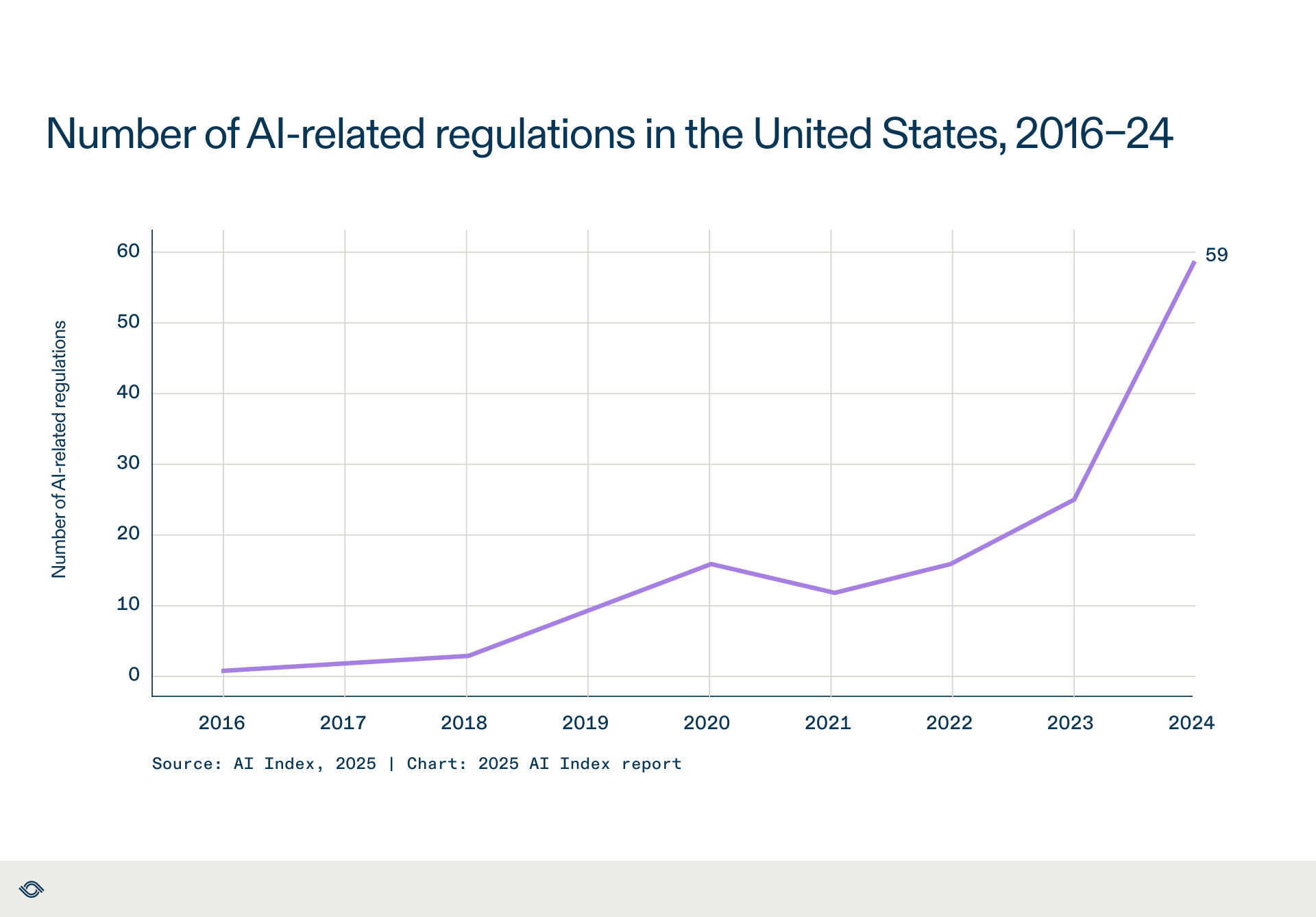
1. AI regulations are beginning to take effect: AI-specific laws are popping up across jurisdictions. The EU AI Act, in particular, creates new requirements for documentation, transparency, and risk management. Many of these laws take effect in 2026.
AI failures can be expensive—and hard to spot: Models can behave in unexpected ways, especially when built on third-party APIs. Many new AI offerings on the market aren’t transparent. Without oversight, teams may not notice until there’s a headline or a compliance issue.
2. Customers are skeptical of new AI systems: buyers and users want to know they are safe. That’s not something you can prove after the fact. You need systems in place to show how your AI works — and to demonstrate how you govern it.
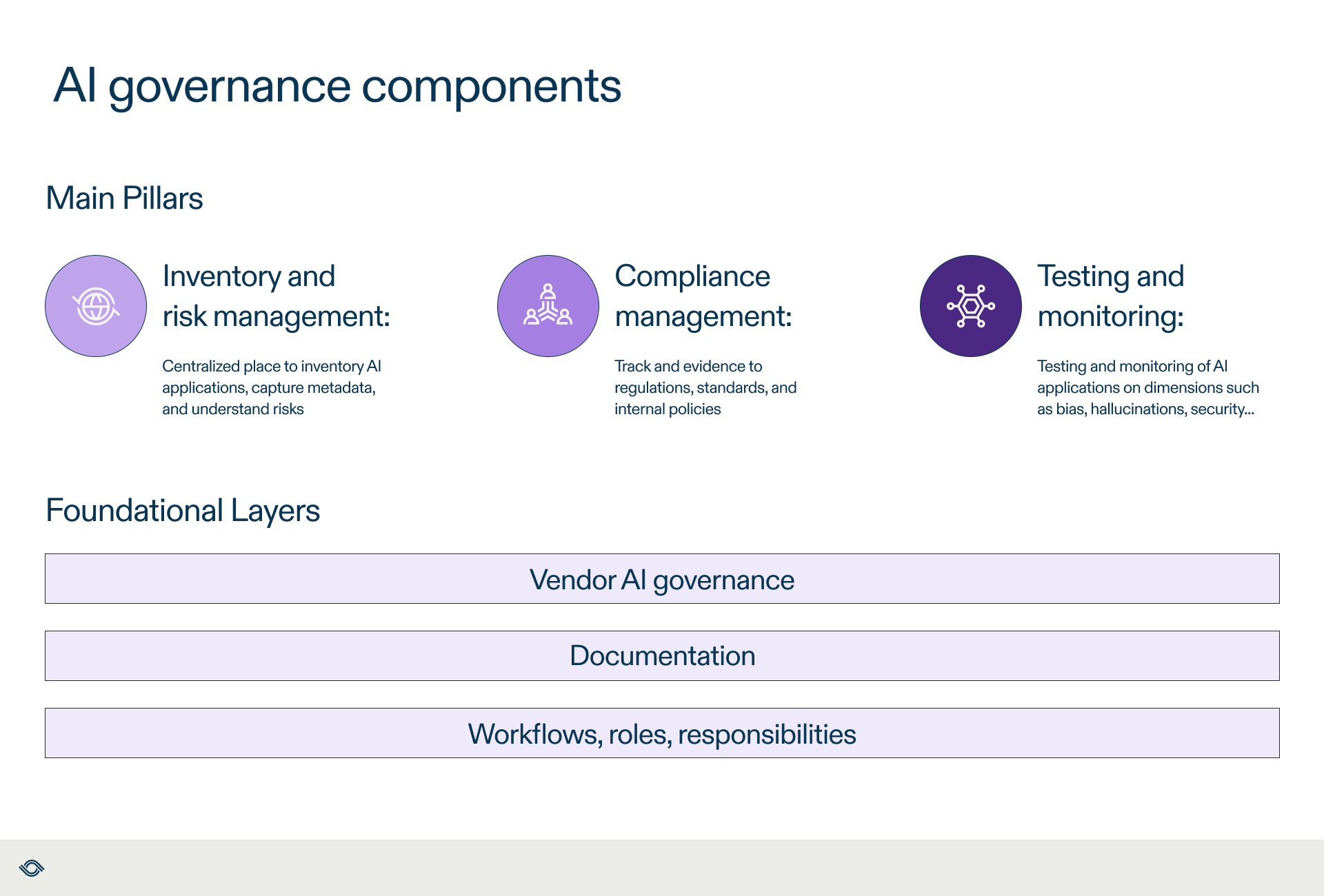
AI governance — done well — helps organizations manage risk and compliance obligations for each of their AI systems. AI governance processes help builders, deployers, and impacted populations ensure 1) the AI that they design or use is safe, and 2) monitor so that they can flag ongoing issues and make adjustments over time. They involve:
Without AI governance processes in place, organizations risk discovering issues with their AI systems only after something harmful to the business has occurred.
AI governance is inherently cross-functional. But without a clear owner, it often gets lost between teams.
Most organizations appoint a dedicated AI governance lead who often sits in risk, data, engineering, or compliance. This leader will often have experience in similar governance domains, such as InfoSec or data privacy. An AI governance lead, sometimes called the head of AI governance, is responsible for several activities, such as:
Without clear leadership and defined accountability, AI governance efforts can become fragmented or reactive, leading to inconsistent risk oversight and compliance gaps.
Choosing the right AI governance tools isn’t a one-size-fits-all approach. It depends on your specific context. Focus on these four main factors to identify which capabilities matter most.
You don’t need to solve everything on day one. Start with structure, and grow from there:
AI governance isn’t just about protecting against something going wrong. Done well, it also helps teams move faster — by creating clarity around roles, standards, and acceptable use, and by assuring that employees and teams can use AI safely.

Guru Sethupathy is the VP of AI Governance at AuditBoard. Previously, he was the founder and CEO of FairNow (now part of AuditBoard), a governance platform that simplifies AI governance through automation and intelligent and precise compliance guidance, helping customers manage risks and build trust and adoption in their AI investments. Prior to founding FairNow, Guru served as an SVP at Capital One, where he led teams in building AI technologies and solutions while managing risk and governance.